


Shotgun vs Rifle: What's the Ideal Hunting Weapon
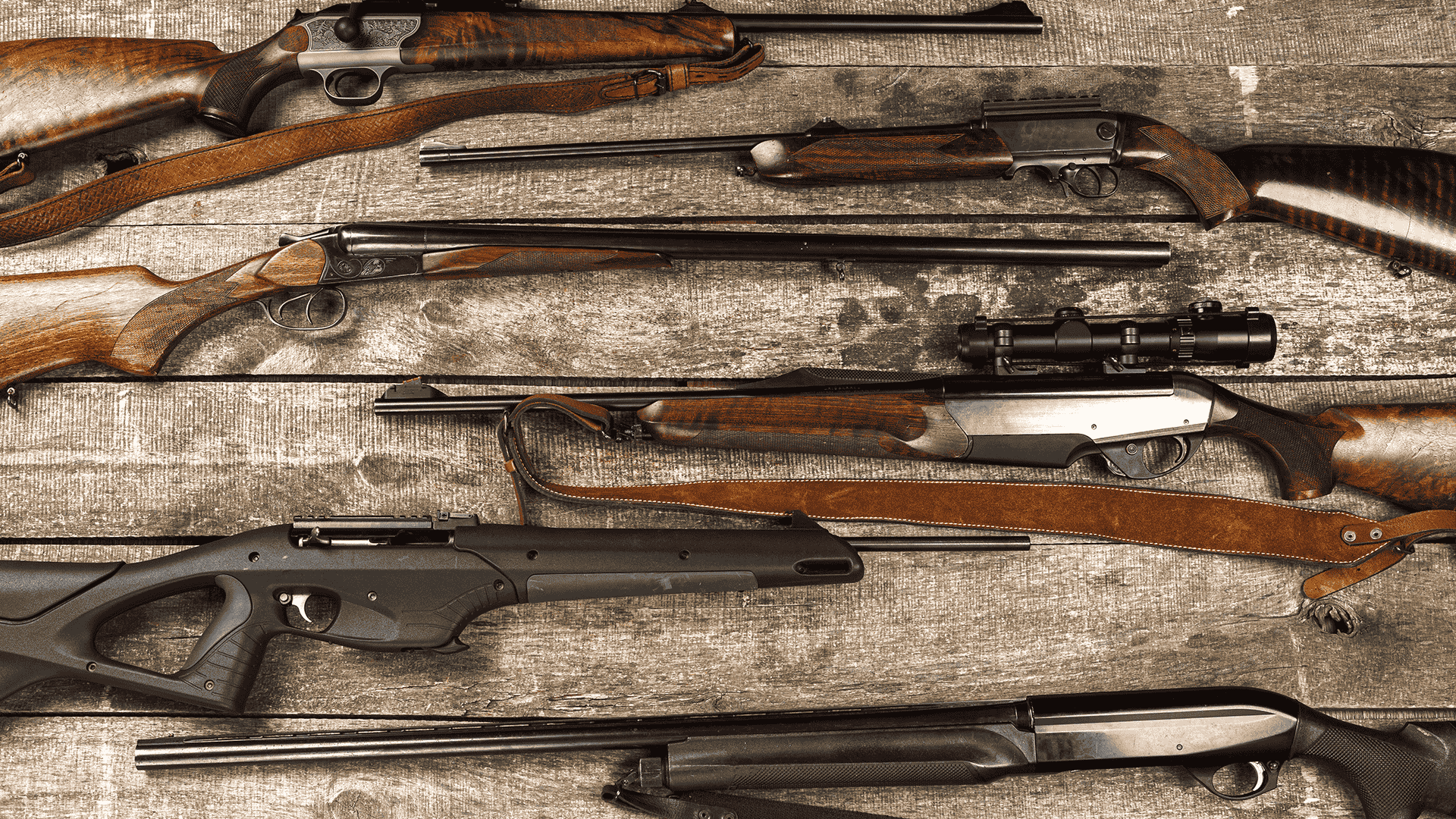
Choosing the right hunting weapon can make or break your experience in the wild. One of the most common decisions hunters face is whether to use a shotgun or a rifle. While both are highly effective, they serve very different purposes. Shotguns are ideal for close-range hunting, especially for birds, rabbits, or deer in dense cover, thanks to their wide pellet spread and versatility. Rifles, on the other hand, are built for long-range accuracy, making them the preferred choice for open land hunts and larger game like deer or elk.
In this guide, we’ll break down the difference between a shotgun and a rifle, explain how they perform in real hunting situations, and help you decide which firearm truly fits your hunting style.
Rifle vs Shotgun: The Core Difference
While both rifles and shotguns are firearms used for hunting, their purpose and performance vary.
Shotgun
- Fires pellets or slugs
- Best for short-range hunting (20–100 yards)
- Smooth barrel without grooves
- Great for moving targets like birds or small game
Rifle
- Fires a single bullet
- Built for long-range accuracy (100–500+ yards)
- Rifled barrel with spiral grooves for bullet spin
- Ideal for larger game like deer, elk, or coyotes
So, the difference between rifle and shotgun comes down to range, accuracy, and projectile type.
How Do Rifle Bullets Differ from Shotgun Pellets?
This is one of the most important questions in hunting.
- Rifle bullets: One solid projectile, precise and fast. Designed to travel far and hit hard.
- Shotgun pellets (shot): Multiple small balls that spread out. They cover a wider area but lose energy faster.
If you’re chasing fast, close-range targets like ducks or rabbits, shotgun pellets give you the edge. But for distant targets like deer, rifle bullets deliver a cleaner and more accurate shot.
What’s the Major Difference in Firearms?
Many laymen find it difficult to differentiate between firearms, especially the bigger similar ones. Rifles, shotguns, and handguns differ mostly based on their barrel design and intended use.
- Rifles = Grooved barrels, single bullet, long-range accuracy
- Shotguns = Smooth barrels, multiple projectiles or slugs, short-range coverage
- Handguns = Compact, short-range, often used for defense or as sidearms in hunting
Understanding barrel design is key to selecting the right firearm for your purpose.
Shotgun Hunting: Power and Versatility Up Close
Shotgun hunting shines in scenarios where:
- You’re chasing small or fast-moving targets
- The terrain is thick or bushy
- Laws restrict rifle use for safety reasons
Shotguns are extremely versatile. Switch between birdshot, buckshot, or slugs, and you can hunt everything from squirrels to deer. They also perform better when quick follow-up shots are needed, like in duck hunting or flushing game birds.
Rifle Hunting: Precision for Larger Game
Rifle hunting is your go-to for the following hunting situations:
- Hunting in open fields, hills, or mountains
- Long-distance accuracy
- Medium to large game (deer, boar, elk, moose)
The rifled barrel provides bullet spin, which increases stability and accuracy at long ranges. With a scope, you can make ethical, one-shot kills from 200+ yards away. If you prioritize precision and clean harvests, rifles are unbeatable.
Pros and Cons: Shotgun vs Rifle
Effective Range
Shotguns are most effective between 20 to 100 yards, making them ideal for close-range shooting. Rifles, on the other hand, offer a much longer effective range, from 100 to over 500 yards, which is better suited for long-distance accuracy.
Projectile Type
A shotgun fires multiple pellets (known as shot) or a single slug, allowing for a wider spread or concentrated power at close range. In contrast, a rifle fires a single bullet with high precision.
Best Use
Shotguns are best for hunting birds, small game, and in short-range scenarios. Rifles excel in hunting large game and are ideal for open terrain where long-range shots are necessary.
Versatility
Shotguns are highly versatile due to the wide variety of shell types available—birdshot, buckshot, and slugs. Rifles have moderate versatility that varies based on the caliber and type of rifle.
Recoil
Recoil from a shotgun ranges from moderate to strong, especially when using slugs. Rifle recoil varies depending on the caliber used—some can be quite mild, while others deliver a strong kick.
Accuracy
Shotguns generally have low to moderate accuracy, especially when using shot. Rifles offer high accuracy and are designed for precision shooting.
Top Hunting Scenarios: Which One Wins?
Let’s look at real hunting situations to make a better deduction.
Deer in Open Fields
- Rifle – You’ll need accuracy from a distance.
Rabbit in the Woods
- Shotgun – The spread gives you better odds.
Turkey in Dense Bush
- Shotgun – A tight shot pattern hits the neck or head zone.
Bear or Moose
- Rifle – Large caliber rounds offer power and deep penetration.
Ducks or Geese in Flight
- Shotgun – You can’t hit a flying bird with a rifle.
Most Popular Hunting Guns by Category
Shotguns
- Remington 870 – Classic pump-action, ultra-reliable
- Mossberg 500 – Durable and affordable
- Benelli Super Black Eagle – Top-tier semi-auto for waterfowl
Rifles
- .30-06 Springfield – Ideal for big game across North America
- .270 Winchester – Flat-shooting, great for deer
- 6.5 Creedmoor – Popular among new hunters for long-range balance
So, what is the most popular hunting gun? It depends on the game, but the models above dominate in their class.
Smart Buying Advice for Beginners
Before buying your first rifle or shotgun, ask yourself:
- What animals do I want to hunt this year?
- Will I be shooting long distances or close up?
- What’s legal to use in my hunting area?
- Can I handle the recoil comfortably?
- Am I ready to train and maintain this firearm responsibly?
A good gun isn’t just a purchase. It’s a tool you need to know, respect, and practice with. Take your time, ask local hunters for advice, and always try before you buy if possible.
Closing Thoughts: Be the Hunter Who Chooses Wisely
The rifle vs shotgun debate doesn’t have a one-size-fits-all answer. But if you’ve read this far, you now have a clear understanding of:
- How shotguns and rifles work
- The differences in power, range, and accuracy
- When to use one over the other
- Which guns and calibers are best for specific game
- How rifles, shotguns, and handguns differ mostly based on their barrel design and purpose
- How to match your weapon to your style, needs, and local laws
“Your goal isn’t just to shoot, it’s to hunt with skill, purpose, and confidence.”
So, whether you choose the close-range versatility of shotgun hunting or the long-distance precision of rifle hunting, the best weapon is the one that helps you hunt ethically, safely, and successfully
FAQs
Popularity varies, but here are some all-time favorites:
- Rifle: .30-06 Springfield, .308 Winchester, .270 Win
- Shotgun: Remington 870, Mossberg 500, Benelli SuperNova
No single “best” gun for all hunting depends on the game and terrain. If you’re targeting birds or rabbits, a 12-gauge shotgun with the appropriate choke and shot size is ideal. For deer or elk in open country, a bolt-action rifle in .270 or .30-06 is often the best choice. The best gun is the one that matches your game, fits your body comfortably, and is legal and practical for your hunting environment.
Rifles are more lethal at long distances due to their velocity and precision. A rifle bullet can travel hundreds of yards with deadly accuracy. Shotguns, however, are extremely lethal at close range, especially when using slugs. While both can deliver lethal shots when used correctly, rifles are generally favored for clean, ethical kills on large game, while shotguns are preferred for effectiveness on fast or small targets, as they provide a spread-based advantage.
The most versatile hunting gun is a 12-gauge pump-action shotgun. It can fire birdshot for birds, buckshot for medium game, and slugs for deer, all with a simple ammo switch. It performs well in dense woods, fields, and even for home defense. A close second would be a .308 bolt-action rifle, which can take down most North American game. However, for pure flexibility across different types of hunts, the shotgun wins.
The best type of rifle for hunting is usually a bolt-action rifle, known for its accuracy, reliability, and simplicity. Popular calibers include:
- .270 Winchester – great for deer and flat shooting
- .30-06 Springfield – powerful and versatile for larger game
- 6.5 Creedmoor – known for low recoil and long-range precision
- .243 Winchester – perfect for beginners and varmint hunting
