


A Beginner's Guide to Small Game Hunting
If you’ve ever wondered how to get into hunting but felt overwhelmed by big game, complicated gear, or confusing regulations, you’re not alone. Many beginners feel the same way, eager to step into the outdoors but unsure where to begin. That’s where small game hunting comes in.
Unlike big game hunting, which often requires significant investment in equipment, tags, and specialized knowledge, small game hunting offers a simple, accessible, and affordable entry point into the world of hunting. You don’t need to be an expert marksman or invest thousands in gear. All you need is a basic understanding of the terrain, the right tools, and a willingness to learn through experience.
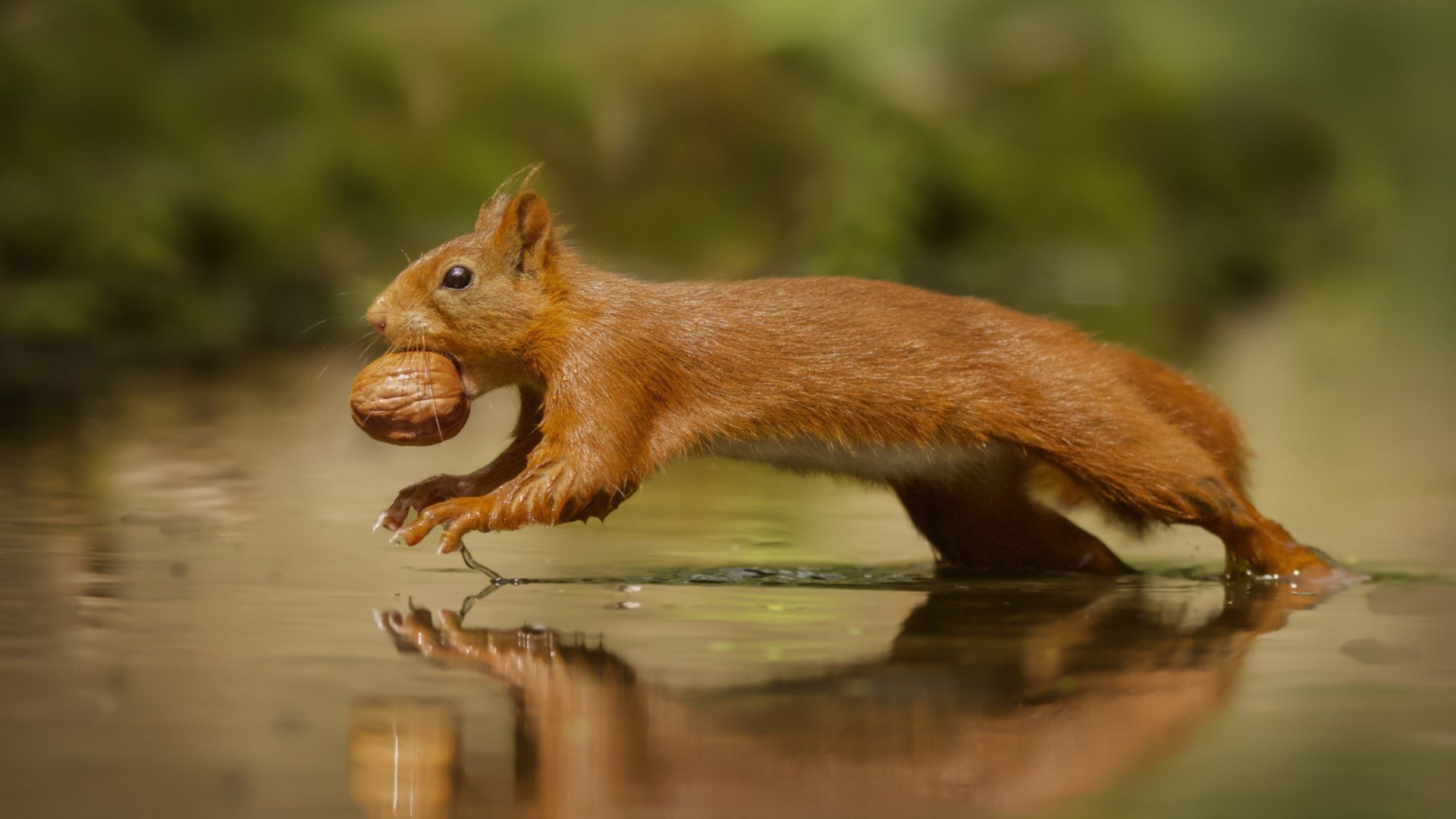
From squirrels and rabbits to quail and doves, small game species are widespread, active throughout the day, and generally easier to track. That makes them ideal for building your skills, learning the rhythm of the wild, and understanding the ethical principles of responsible hunting.
This guide is designed to walk you through everything you need to know as a beginner, from what small game is to how to get your license, choose your gear, and develop your hunting techniques. If you’re just starting and want real-world advice written in plain, practical language, you’re in the right place.
What Is Small Game?
Small game refers to animals that are smaller in size and usually more abundant in number. These include:
- Rabbits
- Squirrels
- Doves
- PheasantsQuail
- Woodcock
These animals are easier to hunt and are regulated differently than large game animals like deer or elk. Small game seasons are often longer and less competitive. That means more chances to hunt and less pressure while you’re learning to hunt.
How to Start Hunting Small Game?
Starting your hunting journey doesn’t have to be confusing. Here’s a quick roadmap.
Take a Hunter Education Course
Most states require a basic safety course before issuing a hunting license. These can usually be completed online.
Get Your Hunting License
Each state has its requirements. Visit your local wildlife department’s website to get the right license for small game hunting.
Understand Hunting Laws
Hunting laws change from state to state. Learn what species are in season and what methods are legal.
Choose a Hunting Location
Start on public lands or look for guided hunting experiences. These help beginners avoid trespassing or breaking local regulations.
Buy Essential Gear
You don’t need to buy everything at once. Start with the basics and upgrade over time.
The Most Common Small Game Animals
These are the animals most new hunters go after:
- Squirrels: Active during the day and found near hardwood trees.
- Rabbits: Easy to spot and abundant in fields and brushy areas.
- Quail & Pheasants: Usually hunted in open fields with dogs.
- Doves: Fast-moving targets, often hunted in groups.
- Woodcock: Small birds found near wet woodlands.
Each of these is a great entry point to the world of small games.
Must-Have Small Game Hunting Gear
You don’t need a truckload of equipment to start. Here’s the core gear to consider:
Clothing & Boots
- Camo jackets, pants, and gloves help you stay hidden.
- Waterproof boots keep your feet dry on wet terrain.
Weapons
- A small game rifle, like the .22 LR, is perfect for beginners.
- Shotguns like the .410 bore are great for birds and rabbits.
Ammo & Accessories
- Stock up on affordable ammo (.22 LR is budget-friendly).
- Bring a field knife, game bags, and basic binoculars.
Game Calls & Tools
- Calls can attract animals
- Always carry gloves, zip bags, and wipes for field dressing.
You’ll find that small game hunting gear is more affordable than you’d think, which is why it’s so ideal for new hunters.
Top Techniques for Small Game Hunting
Different methods work for different animals. Here are the best for beginners:
1. Still Hunting
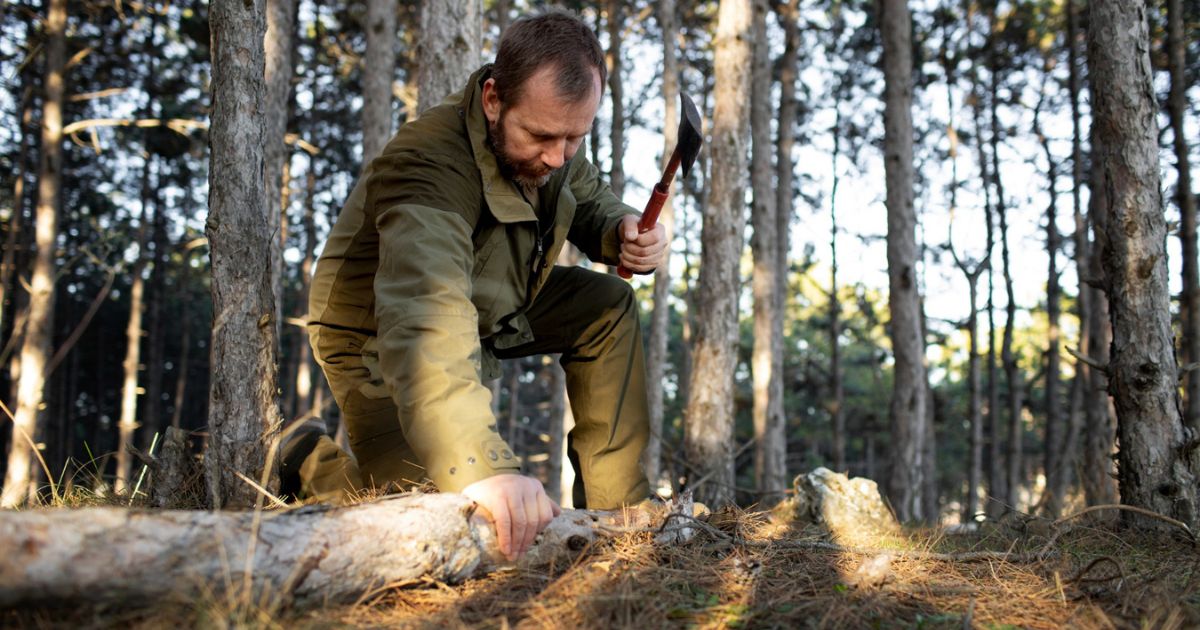
Walk slowly and quietly through wooded areas. Stop often. Look. Listen. It’s great for squirrels and rabbits.
2. Stand Hunting
Find a spot, sit still, and wait. Animals come to you. This requires patience but rewards quiet hunters.
3. Flush Hunting
Walk through brush or fields with a partner or dog. The movement scares birds into flying, giving you a clean shot.
4. Walk-and-Pause
Take a few steps, stop, scan, repeat. Works well for densely wooded areas.
These are simple, effective ways to learn and grow your hunting skills.
Tips to Grow as a Hunter
Small game hunting teaches you more than how to aim. It sharpens your awareness and connects you to the land.
- Go out early, animals are most active at dawn.
- Pay attention to wind direction and scent.
- Record your hunts: note what you saw, heard, and learned.
- Watch how animals move and react.
- Don’t focus on just the kill; focus on learning.
These lessons will make you a better hunter for life.
The Best Small Game Rifle for Beginners
The .22 LR rifle is hands-down the best small game rifle for starters. Here’s why:
- It’s lightweight.
- Recoil is minimal.
- Ammo is cheap and easy to find.
- It’s quite great for not scaring off other games nearby.
Other good options include:
- .17 HMR: More range and accuracy.
- .410 Shotgun: Light and easy for bird hunting.
Start with what you’re comfortable with. No need to overspend in the beginning.
Why Small Game Hunting Is Gaining Popularity
More people are choosing small game hunting for a few key reasons:
- Lower costs: Gear and licenses are more affordable.
- Less pressure: More opportunities to hunt.
- Ethical learning: It teaches respect and skill before moving to a larger game.
- Great for families: It’s a good way to introduce kids and teens to the outdoors.
Plus, with many people moving toward sustainable living, small game provides clean, lean, wild meat and a deeper connection to nature.
Getting Started on Your First Hunt
Hunting doesn’t have to be complicated. Small game hunting is a smart, safe, and affordable way to begin. With the right knowledge, a bit of patience, and some basic gear, anyone can get out there and experience the excitement of the wild.
Whether it’s a squirrel in the woods or a dove in the field, every hunt is a chance to learn, grow, and reconnect with the outdoors.
FAQs
Start early, move quietly, and observe more than you shoot. Focus on learning, not just the tagging game.
Still-hunting, stand-hunting, flush-hunting, and walk-and-pause are all great for small game.
Squirrels and rabbits are easy to spot, predictable, and often found in public land.
A scope with 3–9x magnification works best. It gives flexibility for near and mid-range shots.
The .22 LR is perfect for beginners: low recoil, quiet, accurate, and cheap to shoot.
