


How to Excel as a Big Game Hunter
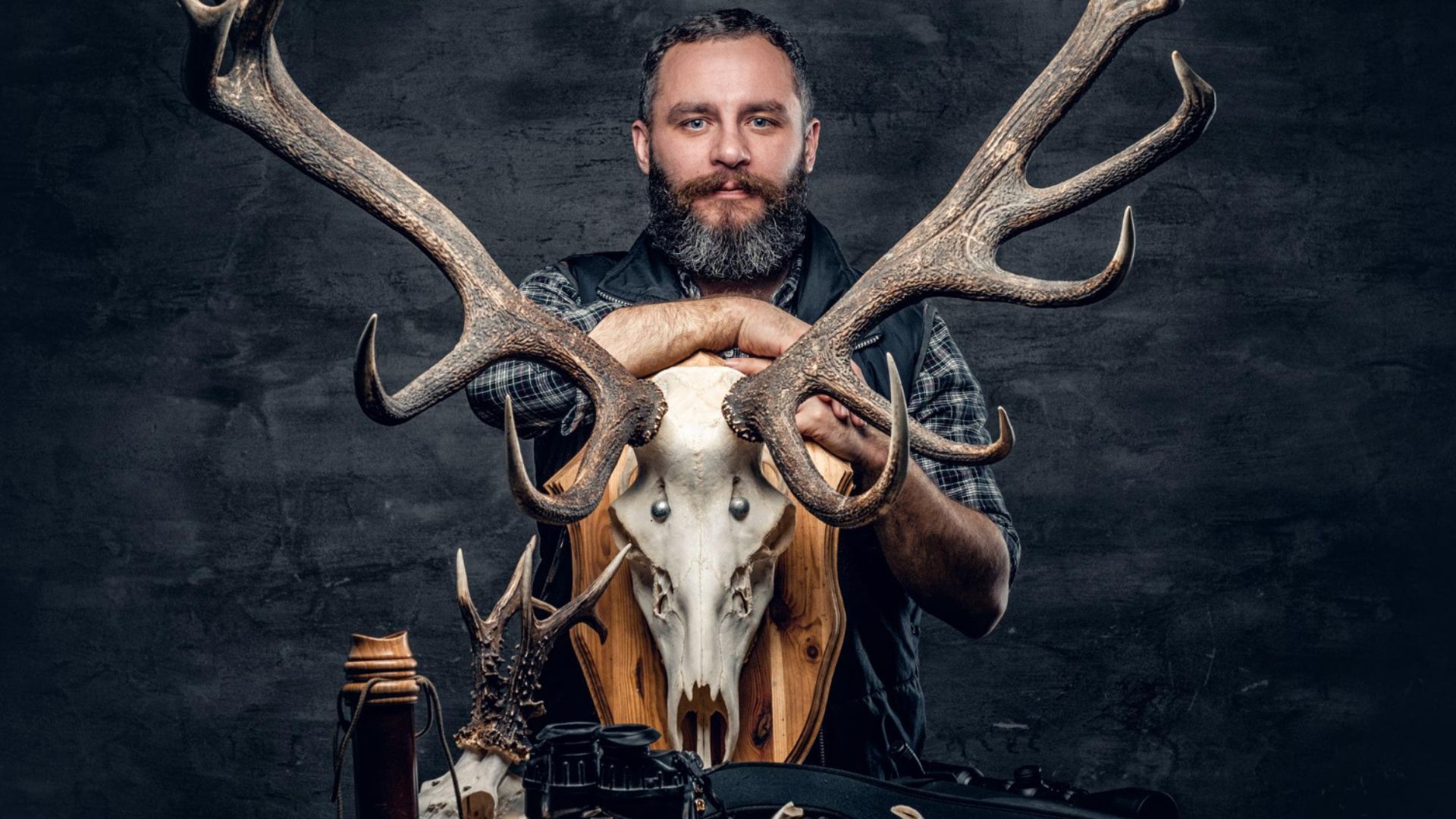
Becoming a skilled big game hunter requires more than just owning hunting weapons or heading into the wild. It’s about understanding the animals, mastering hunting techniques, preparing mentally and physically, and choosing the right gear for the big game hunt. Acquiring any of the big five game animals or any other large species trophy requires effort, as this sport is extremely challenging.
In this article, we’ll dive deep into the essentials of big game hunting, explore effective strategies, and break down a typical day in the life of a successful hunter. We’ll also answer common questions about the best rifles, shots, and the meaning of big game terms. Let’s get started!
Understanding Big Game and Big Game Animals
Big game refers to large animals hunted for sport, meat, or trophies. Examples include elk, moose, deer, bear, and the famed big five game animals. These animals require specialized hunting skills because of their size, strength, and often elusive behavior.
Knowing your target species is crucial. Each animal has unique habits, habitats, and behaviors, which influence your hunting strategy. For example, elk tend to be found in mountainous forests, while moose prefer swampy, colder regions.
The Big Five Game and Why They Matter
The big five game includes the lion, elephant, buffalo, leopard, and rhinoceros. These animals are the most sought-after trophies in African hunting due to their size, danger level, and rarity.
Hunting the big five demands advanced skills, proper equipment, and thorough knowledge of their behavior. It’s also a sport steeped in tradition and respect for wildlife conservation.
Key Characteristics of Big Game Animals
- Size and Strength: Big game animals are typically larger and stronger than smaller game, requiring more powerful weapons and careful shot placement.
- Behavioral Patterns: Understanding the habits and behaviors of these animals is crucial. For instance, elk are known for their vocalizations during mating season, while bears may be more active during dawn and dusk.
- Habitat Preferences: Each species has specific habitat preferences. Familiarizing yourself with these can significantly improve your chances of a successful hunt.
Choosing the Right Hunting Weapons
Selecting the right hunting weapons is vital for a successful hunt. For big game hunting, hunters often choose rifles with larger calibers to ensure a humane and effective kill.
Popular choices include:
- .300 Winchester Magnum: Versatile and powerful, great for most large game.
- .338 Lapua Magnum: Used for very large animals and long-range shots.
- .375 H&H Magnum: Traditional for African big game.
Your weapon choice should balance power, accuracy, and recoil management.
Effective Hunting Techniques for Big Game
Mastering hunting techniques can make the difference between success and failure. Some proven techniques include:
- Still Hunting: Moving slowly and quietly through animal habitats.
- Spot and Stalk: Spotting game from a distance, then carefully stalking closer.
- Ambush Hunting: Using natural cover or blinds to wait for game.
Understanding animal behavior and reading signs like tracks or droppings also improves your chances.
Preferred Rifle Shots for Larger Game Animals
For larger game animals, shot placement is key. The preferred rifle shots are:
- Heart and lung shots: Aim for the center chest area to quickly incapacitate.
- Brain shot: Requires precision but causes instant kill.
Avoid shots to the legs or extremities as these cause suffering and reduce escape chances. Good shot placement ensures ethical hunting and respects wildlife.
Physical and Mental Preparation for Big Game Hunting
Big game hunting is physically demanding. Hunters need strength, stamina, and endurance for long hikes carrying gear. Mentally, patience and focus are essential. Hunters must stay calm, make quick decisions, and respect the wild.
Training Recommendations
- Cardio Exercises: Improve your stamina for long treks in the field. Activities like running, cycling, or hiking can be beneficial.
- Strength Training: Build muscle to carry heavy gear and navigate rugged terrain. Focus on core strength, leg workouts, and upper body exercises.
- Mental Conditioning: Practice mindfulness and visualization techniques to enhance focus and calmness during hunts. Consider meditation or breathing exercises to manage stress.
Training with cardio exercises, strength training, and mental conditioning routines prepares you for the field.
Daily Routine of a Big Game Hunter
A big game hunter’s daily routine typically includes:
- Pre-Dawn Wake Up: Start early when animals are most active.
- Gear Check: Ensuring rifles, ammo, and essentials are ready.
- Scout the Area: Use binoculars and maps to spot signs of animal activity.
- Hunt Actively: Using techniques like still hunting or stalking.
- Rest Periods: To conserve energy and stay alert.
- Record Observations: Note animal behavior for future hunts.
Sample Daily Schedule
- 5:00 AM: Wake up and prepare gear.
- 6:00 AM: Begin scouting and hunting.
- Noon: Break for lunch and review observations.
- 1:00 PM: Resume hunting with a focus on tracking.
- 6:00 PM: Return to camp, clean gear, and document the day’s experiences.
Safety Tips and Ethical Hunting Practices
Safety is critical. Some useful hunting tips to make your trips successful are as follows:
- Wear blaze orange in certain regions.
- Follow local laws and regulations.
- Use appropriate firearms and ammo.
- Practice firearm safety.
- Respect wildlife and avoid overhunting.
How to Start Your Journey as a Big Game Hunter
- Take Hunter Education Courses: Learn the fundamentals of hunting, safety, and regulations.
- Start with Smaller Game: Gain experience and confidence before tackling larger species.
- Join Guided Hunts or Mentorship Programs: Learn from experienced hunters who can provide valuable insights.
- Invest in Quality Gear Gradually: Start with essential items and upgrade as you gain experience.
- Learn About Local Wildlife and Laws: Familiarize yourself with the species in your area and the regulations governing their hunting. Building experience steadily leads to proficiency.
Final Thoughts
Excelling as a big game hunter involves knowledge, preparation, and respect for nature. With the right weapons, techniques, and mindset, you can enjoy a fulfilling and ethical hunting experience. Remember, every great hunter starts with learning and patience.
FAQs
Game refers to wild animals hunted for sport or food.
Rifles like the .300 Win Mag or .375 H&H Magnum are top choices.
Heart and lung shots offer humane and effective kills.
Hunting the lion, elephant, buffalo, leopard, and rhinoceros, famous in Africa.
Take education courses, gain experience, and use proper gear.
